How JPMorgan won the 2008 crash
The biggest financial collapse since the Great Depression wiped out banks across the world. One firm walked in and came out larger. Here is how discipline beat greed.
In the autumn of 2008, the global financial system came closer to complete collapse than at any point since the Great Depression. Storied banks vanished in a matter of days. Governments scrambled to pump trillions into the system. Ordinary people watched their savings, their jobs, and their homes disappear. And yet, in the middle of all that wreckage, one bank did not just survive. It got bigger, stronger, and more powerful. That bank was JPMorgan Chase, and its story is one of the clearest lessons in finance you will ever come across.
An economy built on shaky foundations
To understand how JPMorgan won, you first have to understand how everyone else lost. In the years leading up to 2008, banks were handing out home loans at a furious pace. Many of these were subprime mortgages: loans given to borrowers who had a shaky ability to pay them back. House prices had risen for years, and almost everyone, from buyers to bankers, had quietly started to believe they would rise forever. On its own, a single risky loan is a small problem. The real danger came from what banks did next.
Instead of holding these loans, banks bundled thousands of them together into products called mortgage-backed securities, then sold them on to investors around the world. This created a quiet but poisonous incentive: because a bank sold the loan almost as soon as it made it, it no longer really cared whether the borrower could ever pay it back. The risk became someone else's problem. Worse, the big credit ratings agencies stamped many of these bundles with their highest, safest grade, the same grade given to government debt, which is exactly why large and normally cautious investors felt comfortable buying them. The whole tower rested on one quiet assumption: that people would keep paying their mortgages, and that house prices would keep rising.
For a while, almost nobody wanted to stop the party. Lenders, banks, investors, and even regulators were all making money, so the warning signs were easy to wave away. The handful of people who pointed out that the whole structure depended on an impossible assumption were mostly laughed at, right up until they were proven right.

When the tower fell
That assumption broke. As interest rates rose and introductory mortgage deals expired, more and more borrowers began missing payments. As defaults climbed, the value of those safe bundles collapsed. This is where a hidden danger turned deadly. The banks had borrowed enormous sums to make these bets, a trick known as leverage. When you buy mostly with borrowed money, even a small fall in value can wipe out everything you actually own, so losses that looked survivable on paper were suddenly large enough to sink entire firms.
Then came the truly dangerous part: fear. Investors stopped trusting banks. Banks stopped trusting each other. Lending between institutions, the plumbing that keeps the whole system running, froze. In September 2008, the investment bank Lehman Brothers filed for the largest bankruptcy in American history, and the panic became a full-blown crisis. Governments and central banks were eventually forced to step in with enormous rescue packages to stop the whole system from going down, but for many firms the help arrived too late.
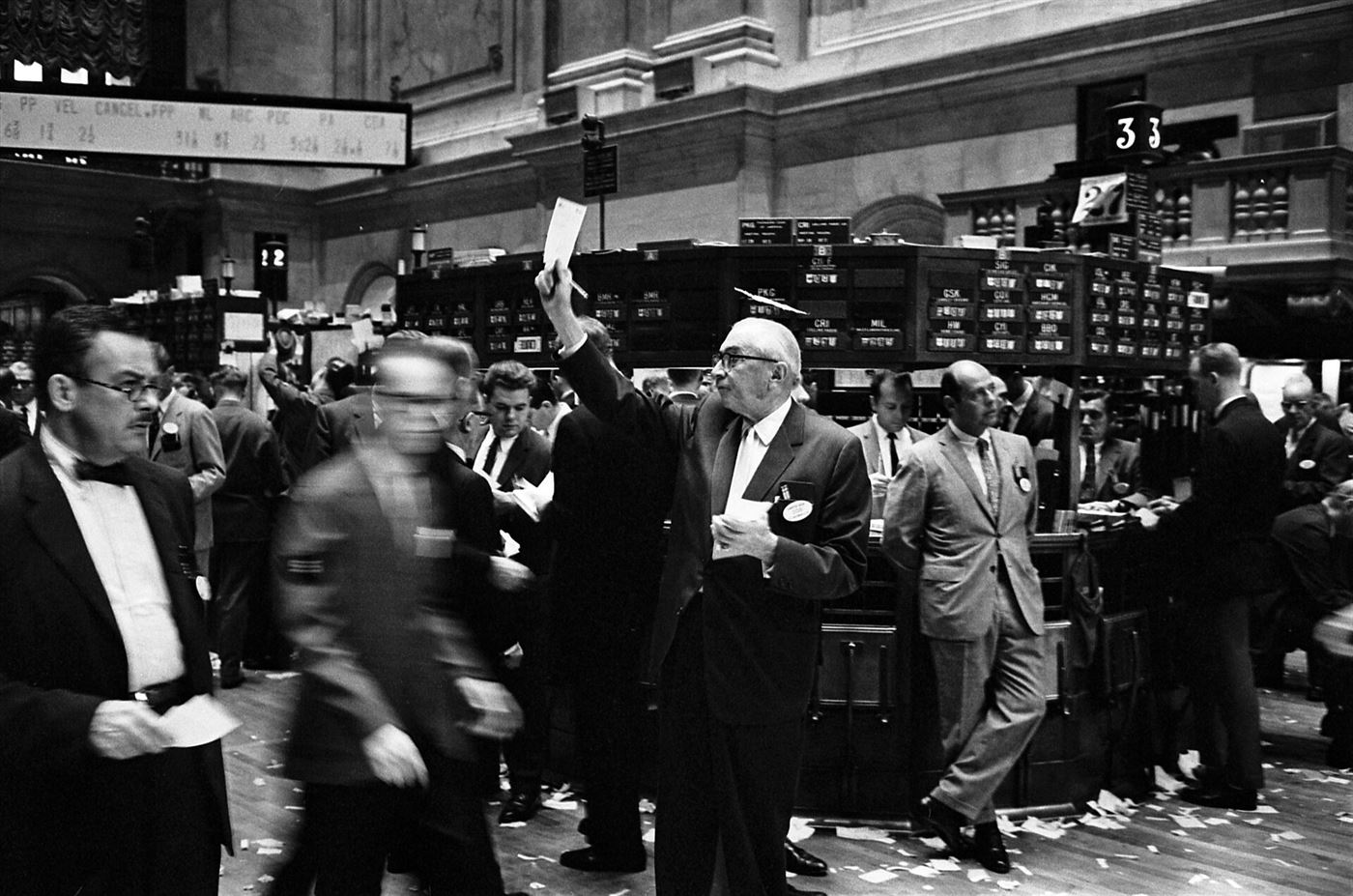
While most of Wall Street was chasing easy profits, JPMorgan was quietly getting ready for the storm.
JPMorgan's uncomfortable caution
Here is where JPMorgan's story splits from the rest. While most banks were piling deeper into risky mortgage bets, JPMorgan's chief executive, Jamie Dimon, grew suspicious. Around 2006, his team noticed that late payments on certain mortgages were creeping up. Rather than dismiss it, Dimon told his people to pull back.
JPMorgan cut its exposure to the riskiest loans, sold off positions that its rivals were still happily buying, and even paid for insurance that would pay out if those mortgage bets turned sour. Dimon was obsessed with what he called a fortress balance sheet: the belief that a bank should always hold enough spare cash and capital to survive a real disaster, not just an ordinary bad year.
None of this was popular at the time. While competitors reported record profits, JPMorgan was deliberately making less money and holding more back. Plenty of analysts grumbled that it was being far too cautious and leaving easy gains on the table. Caution, though, looks foolish right up until the exact moment it looks like genius.
Buying while others failed
When the crisis hit, that caution turned into a once-in-a-generation opportunity. Because JPMorgan had stayed strong and liquid while others were drowning, it became the bank that regulators turned to when they needed someone steady enough to catch a falling firm. It was one of the very few institutions with the firepower to go shopping while everyone else was simply trying to survive.
In March 2008, the investment bank Bear Stearns collapsed almost overnight. With support from the Federal Reserve, JPMorgan stepped in and bought it for a tiny fraction of what it had been worth months earlier. Then, in September 2008, when Washington Mutual became the biggest bank failure in American history, JPMorgan bought its banking business too. In the span of a few months, while rivals were disappearing, JPMorgan added an investment bank and a huge retail bank to its empire. By the time the dust settled, it stood as arguably the strongest and most trusted bank in the world, and Jamie Dimon was widely seen as the steadiest hand in American finance.
The lesson: discipline beats greed
The lesson from 2008 is simple, and it applies far beyond giant banks. Playing it safe when everyone around you is taking wild risks can feel slow, boring, even embarrassing. But it is often the smartest move you can make. JPMorgan came out of the crisis on top because it was disciplined, it managed its risk, and it kept enough strength in reserve to act when everyone else was frozen.
It is worth being honest about how far that goes. JPMorgan's own investment bank co-head, Bill Winters, later said they would have been happy to pile into the same trades if only they had found a way to manage the risk. By his account it was discipline and luck, not a crystal ball. That does not weaken the lesson. It sharpens it. Discipline did not guarantee JPMorgan the win. It kept the bank standing long enough to still be there when the luck arrived.
Discipline is not exciting. It rarely gets applause in the good times. But when the storm finally arrives, it is the thing that separates the survivors from the winners.
So what can a normal person take from all this? A few simple things. Be suspicious when something is sold as high reward with no real risk. Understand what you actually own, instead of trusting a label someone else stuck on it. And keep a little strength in reserve, because the people who make it through the bad times are usually the ones who stayed boring and careful during the good ones.
This article is educational and reflects the views of the Wealth Stratum community. It is a simplified retelling of real events and is not financial advice or a recommendation to buy or sell any security. Always do your own research.