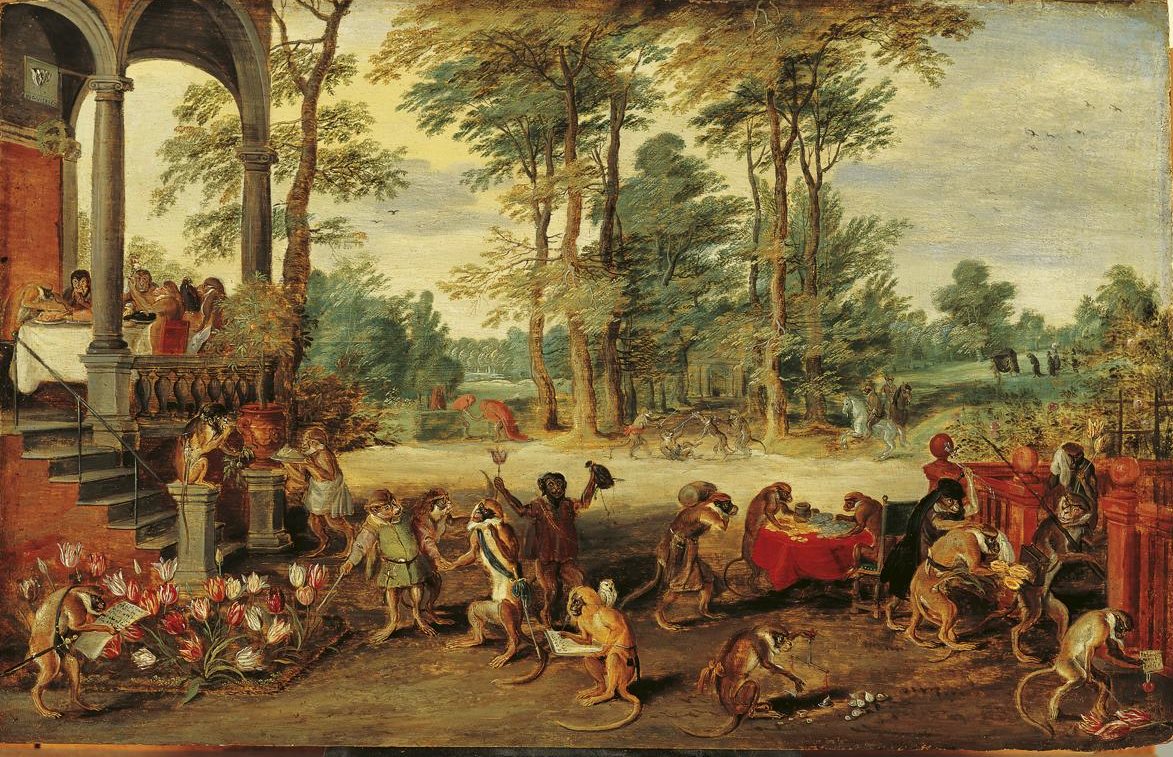
How much of Tulip Mania actually happened?
It is the oldest cautionary tale in finance: a whole nation that went mad for flowers, traded houses for a single bulb, and ruined itself overnight. It really happened. Almost none of it happened the way you were told.
Everyone in finance knows the story, and almost everyone tells it the same way. In the 1630s, the Dutch lost their minds over tulips. The price of a single bulb climbed higher than the price of a grand house on an Amsterdam canal. Nobles, merchants, weavers and farmhands all piled in, certain the rise would never stop. Then, one winter morning, the spell broke. Fortunes vanished in hours, ruined traders threw themselves into the canals, and the whole Dutch economy sank into a long depression. It is the first bubble, the original warning, the tale we still reach for whenever a price runs wild. There is only one problem with it. Most of it is not true.
The story everyone knows
It is worth telling the legend properly first, because it really is a wonderful story. In the version handed down to us, tulip fever infected every level of Dutch society. A single prized bulb could supposedly be swapped for a coach and horses, a shipload of grain, or a fine townhouse on the water. Chimney sweeps and maidservants were said to be trading bulbs they could never afford, all of them dreaming of getting rich. And when the market finally collapsed in 1637, the story goes, thousands were wiped out in an afternoon, broken men drowned themselves in despair, and Holland was plunged into years of hardship. For almost four hundred years, this has been the favourite parable for greed. Every time a market soars, somebody reaches for the tulips.
It really did happen
So let us be fair to the legend, because a real mania did sit underneath it. In the 1630s tulips genuinely were the height of fashion, and the rarest kinds were breathtaking. The most coveted of all was the Semper Augustus, its white petals licked with flames of deep red, and only a handful of them existed in the world. Bulbs like it changed hands for staggering sums. One surviving tulip album records a single bulb sold for 1,045 guilders, many times what a skilled craftsman could earn in a year.
Most of this trading happened in the dead of winter, when the bulbs were buried in the ground and could not even be seen. Buyers and sellers simply traded paper promises on flowers that did not yet exist, a practice the Dutch themselves nicknamed the wind trade. Prices for the fashionable varieties climbed through the autumn of 1636 and into the new year, and for a few feverish weeks a flower really was one of the most expensive things a person could buy.
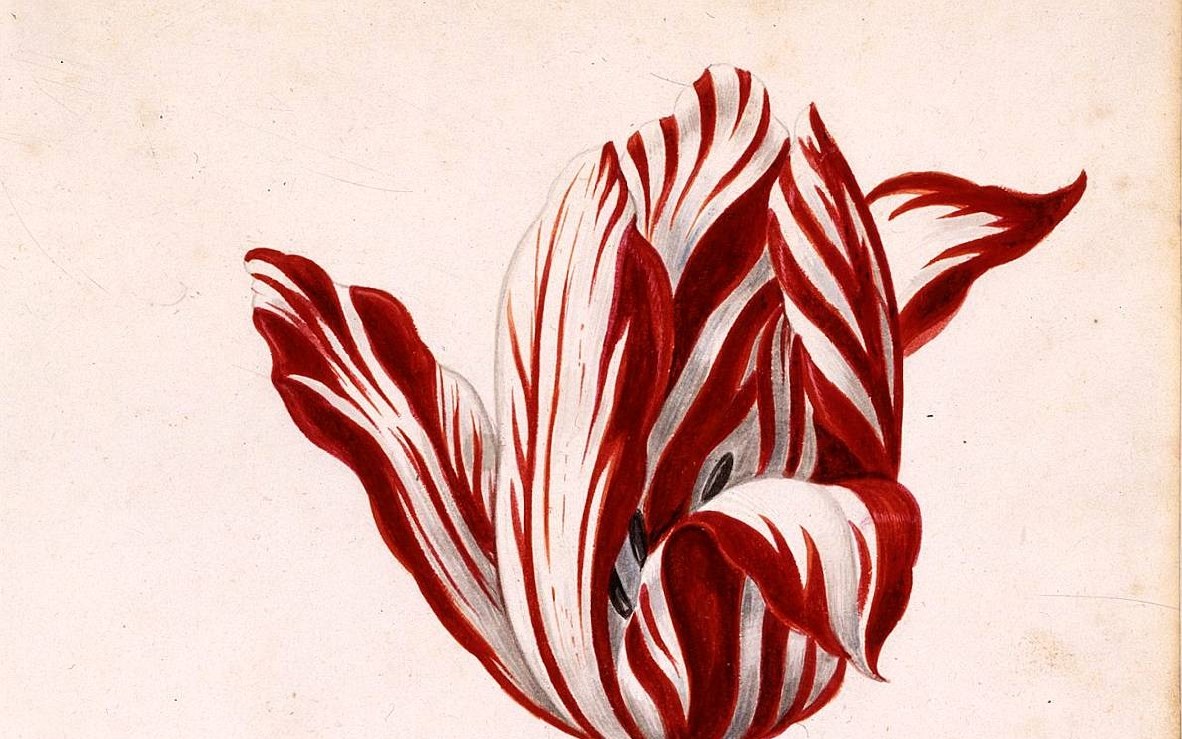
There was a strange secret hidden inside the most valuable bulbs. The intricate flames and feathers that collectors prized so highly, and paid so dearly for, were not a sign of health. They were a sign of sickness. A virus, completely unknown at the time, was quietly infecting the plants and shattering their solid colours into those extraordinary patterns. The rarest and most expensive tulips in Europe were, in truth, the diseased ones.
Tulip Mania, by the evidence
What the archives actually show, once the legend is set to one side.
- The mania peaked
- Winter 1636 to 1637
- The crash
- February 1637
- A prized bulb's recorded price
- 1,045 guilders
- What made them priceless
- A virus
- Bankruptcies traced to the crash
- Almost none
Anne Goldgar, Tulipmania, with Dutch court and archive records
The crash that barely was
The break, when it came, was real too. In the first week of February 1637, at an ordinary bulb auction in Haarlem, the buyers suddenly stopped bidding. Nobody is entirely sure why it happened on that particular morning. Word spread that the buyers had vanished, panic set in, and within days the fashionable bulbs were worth a small fraction of their price the week before. On paper, a great deal of promised wealth evaporated very quickly.
And this is exactly where the legend and the record part ways. The historian Anne Goldgar spent years in the Dutch archives searching for the wreckage the story promised, and she could not find it. There was no wave of bankruptcies. There was no epidemic of ruined men leaping into canals, a detail that appears to have been invented long afterwards. The Dutch economy, then the richest in Europe, sailed on almost untouched. Most of the grand deals had only ever been promises, and when the courts were asked to enforce them they mostly refused, treating the contracts as closer to gambling bets than real sales.
A great deal of money was promised. Very little of it ever changed hands.
Where the disaster story came from
So if hardly anyone was actually ruined, where did the tale of catastrophe come from? A large part of it came from people who wanted you to be frightened. The Dutch Republic was a devoutly religious society, uneasy about its own sudden wealth, and the tulip frenzy was a gift to its moralists. In the months after the crash, a flood of pamphlets, songs and satirical prints mocked the greedy fools who had chased painted flowers. These were not news reports. They were sermons in disguise, written to teach a lesson about vanity, and they exaggerated freely to make the lesson land.
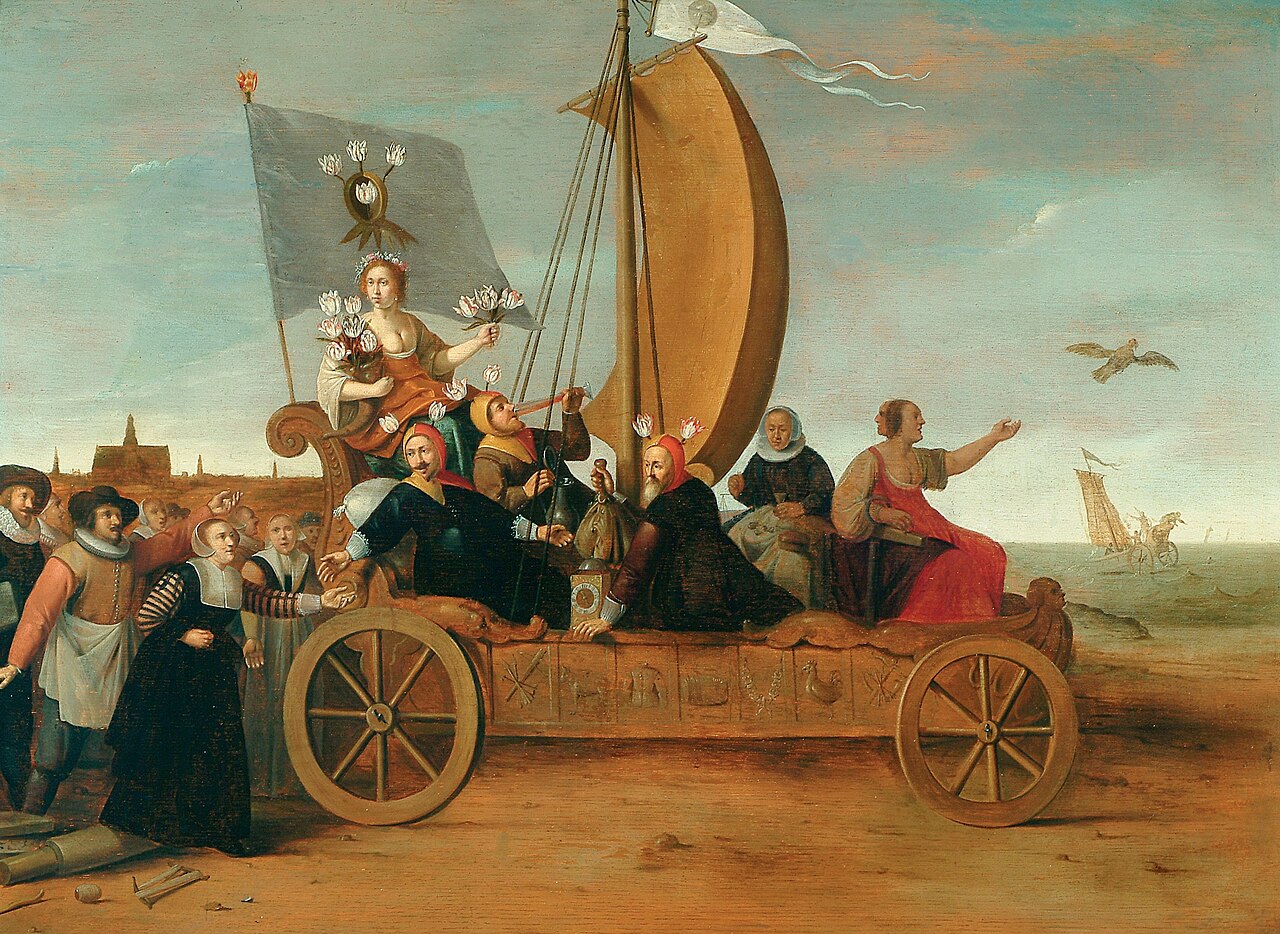
Two centuries later, a Scottish writer named Charles Mackay gathered up those old satires and handed them to the modern world as history. His 1841 book on financial manias took the moral fables at face value, and it became a bestseller that has never once gone out of print. Almost every dramatic detail we now repeat about tulip mania, the ruined nobles, the drowned speculators, the nation brought to its knees, can be traced back through Mackay to a pile of seventeenth-century propaganda. The story we tell to warn people about believing hype is itself a piece of hype that nobody ever checked.
The lesson
None of this means there is nothing to learn from the tulips. A real mania did happen. People really did pay wild prices for something mostly because other people were paying wild prices, which is the beating heart of every bubble from that day to this. The urge to buy simply because a thing keeps rising, and to believe that this time really is different, is one of the oldest and most reliable mistakes in all of markets. That part of the warning is true, and worth keeping close.
But there is a second lesson folded inside the first, and it is the sharper of the two. Be careful which cautionary tales you trust. The tulip story survived for four hundred years not because it was accurate, but because it was satisfying. It let every person who heard it feel a little wiser than the fools who came before. That is a comfortable feeling, and a dangerous one, because the same instinct that makes us enjoy the legend makes us lazy about checking it. So the next time someone waves away an entire market with a single word, tulips, it is worth asking the very question this article began with. How much of that story is actually true, and who has been telling it?
This article is educational and reflects the views of the Wealth Stratum community. It is a simplified retelling of real events, drawn from historical scholarship, in particular the archival research of Anne Goldgar, and it is not financial advice or a recommendation to buy or sell any security. Several famous details of the tulip story survive only in satirical pamphlets and should be read in that light. Always do your own research.