Why interest rates move everything
One number, set by a committee of central bankers, quietly pulls on the price of almost everything you can invest in. Here is why a single sentence from them can move trillions in minutes.
There is one force behind the market that beginners almost never see, and professionals almost never stop thinking about. It does not show up as a company or a product or a piece of news. It is just a number, set by a committee of central bankers, and it quietly tugs on the price of nearly everything you can invest in. Warren Buffett once compared it to gravity, and it is the best description there is. Once you can see this particular gravity, a lot of market moves that looked random start to make complete sense.
The price of money
An interest rate is just the cost of money. When you borrow, it is what you pay. When you save, it is what you earn for parking your money somewhere safe. That is the whole idea.
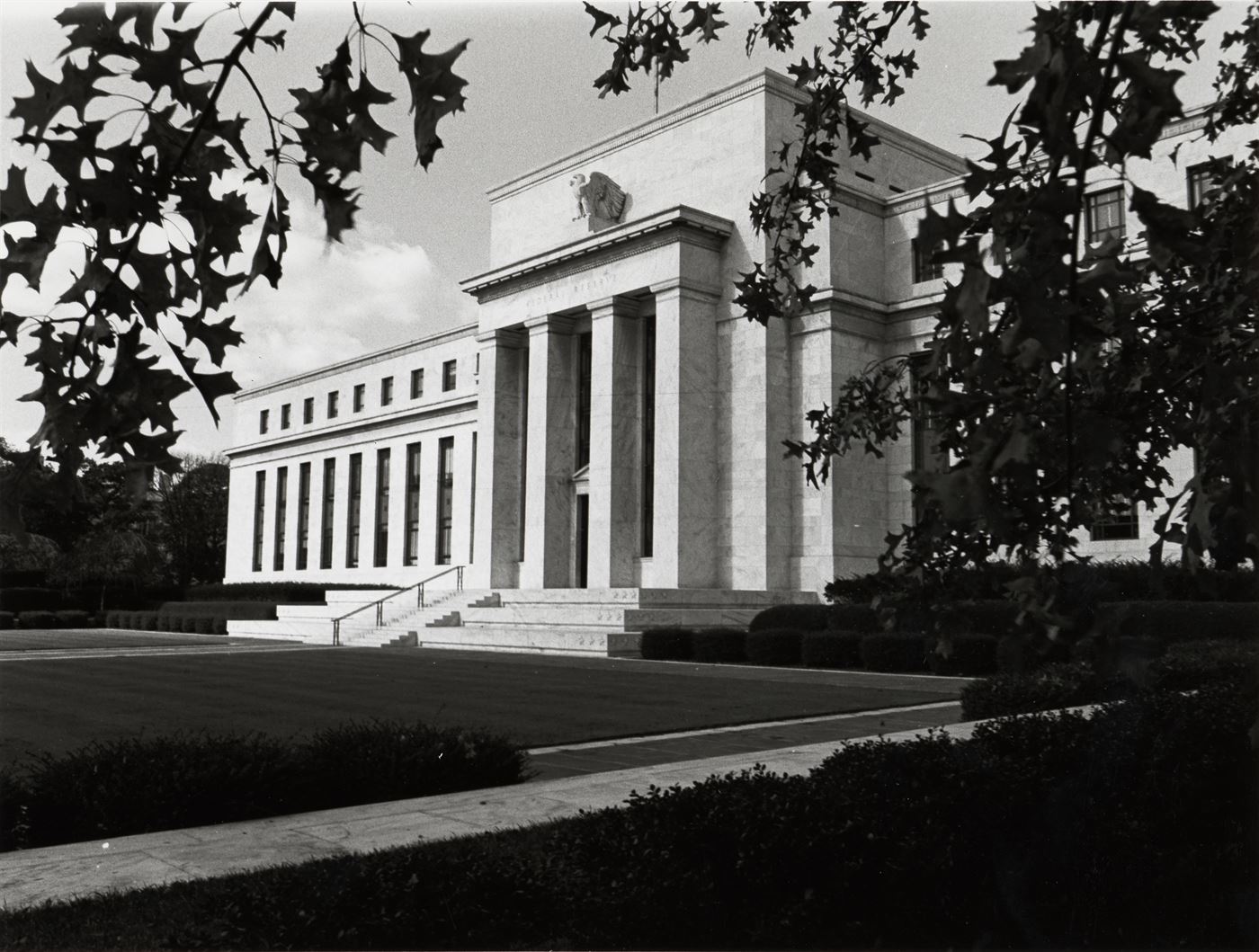
There is one rate that matters more than any other, and it is the one set by the central bank. In the United States that is the Federal Reserve. The Fed does not directly set the rate on your mortgage or your savings account, but it sets the base that everything else is built on top of. Nudge that base, and the ripples reach every loan, every savings account, and every stock in the country.
Gravity for every price
Buffett's comparison is exact. Interest rates act on the price of assets the way gravity acts on a falling object. The higher the rate, the stronger the downward pull on prices. There are two plain reasons why.
The first is competition. Safe savings and risky stocks are always competing for your money. When safe places to put cash pay almost nothing, people are pushed to reach for stocks just to earn any kind of return, and all that reaching pushes stock prices up. When safe places suddenly pay a healthy amount, the question flips. Why take the risk of stocks at all, when a safe account pays you well to do nothing? Money drifts back toward safety, and it pulls stock prices down as it goes.
The second reason is the value of the future. A stock is really a claim on the profits a company will make in the years ahead. But money in the future is worth less than money today, and higher interest rates make that gap wider, because a dollar you have now could be earning a lot in a safe account while you wait. So when rates rise, all those future profits everyone was paying for are suddenly worth less in today's money, and prices fall to match. This is the exact same idea that sits underneath the P/E ratio.
Why one sentence can move trillions
Here is the part that surprises people. The market often reacts more to what rates are expected to do than to what they actually did.
Markets run on expectations, and prices already have today's rate baked in. What moves them is any change in the story about where rates are heading next. So when the head of the central bank sits down at a press conference and carefully hints that rates might rise faster, or slower, than everyone assumed, markets re-price everything around that new expectation in real time. That is why a few measured sentences, with no actual change to any rate that day, can move trillions of dollars in a matter of minutes. It is also why traders hang on every word. There is an old saying for it: do not fight the Fed.
It reaches your life, not just Wall Street
This is not a Wall Street curiosity. The same single lever connects things that feel unrelated. The interest on your savings account, the cost of a future mortgage or car loan, and the mood of the entire stock market all move together, because they are all downstream of the same rate. When you hear that rates went up, that one sentence means your savings will pay a little more, your borrowing will cost a little more, and stocks are feeling a downward tug, all at once, all from the same source.
The takeaway
You do not need to predict interest rates. Almost nobody does it reliably, and trying is a good way to lose money. The point is simply to understand the connection, so the market stops looking like chaos. The next time a headline says stocks fell on rate fears, or jumped after the central bank spoke, you will know exactly what is happening underneath. Money is being pulled between safety and risk, and the future is being quietly repriced. It is not magic, and it is not random. It is gravity.
This article is educational and reflects the views of the Wealth Stratum community. It explains a general economic idea in plain terms and is not financial advice or a recommendation to buy or sell any security. Always do your own research.